
Building a Tactical Edge: How UAE Traders Use CFDs for Sector Rotation and Volatility Plays

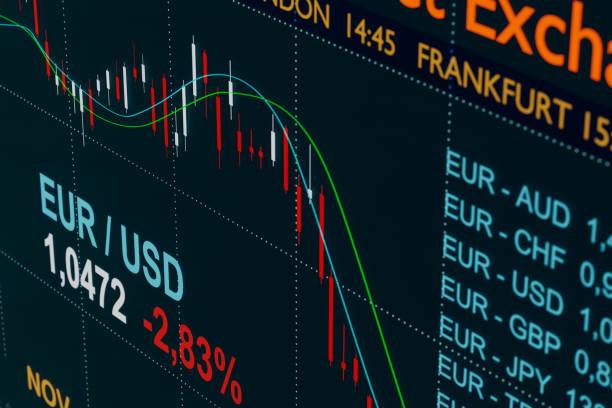
In the fast-moving world of trading, agility and timing can be the difference between profit and loss. UAE traders have increasingly turned to Contracts for Difference (CFDs) as a powerful tool to implement tactical strategies such as sector rotation and capitalising on market volatility.
With an ever-evolving financial landscape shaped by oil prices, regional geopolitics, and global economic trends, CFDs provide an accessible and flexible way to respond swiftly to market signals.
This article explores how traders in the UAE are using CFDs to build a tactical edge in today’s dynamic markets.
Understanding CFDs: A Flexible Trading Instrument
CFDs are derivative instruments that allow traders to speculate on the price movements of a wide range of assets without owning the underlying asset. This includes stocks, indices, commodities, and forex. One of the major appeals of CFDs is the ability to trade both long and short positions. This means traders can profit from both rising and falling markets—a vital feature for volatility-based strategies.
In the UAE, CFD trading is regulated by authorities such as the Securities and Commodities Authority (SCA) and the Dubai Financial Services Authority (DFSA), ensuring that brokers adhere to strict standards. This regulatory oversight enhances credibility and provides a layer of security for retail and institutional investors alike. The appeal of CFDs lies in their flexibility, affordability due to lower capital requirements, and the ability to access both local and global markets from a single trading account. Explore adss.com to get started today.
The Strategy Behind Sector Rotation
Sector rotation is a tactical investment approach that involves shifting capital between different sectors of the economy based on the expected phases of the business cycle. Each sector—whether it’s technology, healthcare, energy, or financials—performs differently depending on economic conditions such as inflation, interest rates, and consumer confidence.
For instance, during economic expansion, traders might rotate into cyclical sectors like consumer discretionary and industrials. In contrast, during periods of slowdown or recession, they might favour defensive sectors like utilities or healthcare. CFDs allow traders to enter and exit sector positions with ease, avoiding the higher costs and settlement times associated with traditional equity trades.
Volatility Plays: Capitalising on Market Swings
Volatility trading involves identifying moments of sharp price movement and positioning to profit from those swings. This strategy is especially relevant during major news releases, earnings seasons, political events, or sudden shifts in commodity prices—all of which are common triggers in the UAE and global markets.
Traders in the UAE closely monitor volatility indicators such as the VIX in the U.S. or use implied volatility from options pricing and news sentiment to gauge market turbulence. CFDs are particularly useful here because they enable rapid execution and access to a broad range of instruments—whether it’s oil, regional equities, or global indices.
Whether it’s shorting financial stocks during an interest rate hike or riding an energy surge due to OPEC policy changes, CFDs give traders the ability to exploit short-term moves that traditional investing would not capture efficiently. The leverage that CFDs provide magnifies both risk and reward, so disciplined risk management is crucial.
UAE-Specific Considerations for CFD Traders
Traders operating in the UAE navigate a unique blend of local and global market forces. The region’s heavy reliance on oil exports, the strategic position within the Gulf Cooperation Council (GCC), and the economic diversification efforts through initiatives like UAE Vision 2030 all influence sector performance.
For instance, the real estate sector in Dubai and Abu Dhabi often responds to tourism flows and government infrastructure projects. Meanwhile, the financial sector reacts to global interest rate changes and liquidity conditions. CFDs on local equities, sector indices, and commodities allow traders to fine-tune their positions according to these regional factors.
Tools and Platforms for Tactical CFD Trading
Execution speed, data access, and advanced charting tools are key to effective tactical trading. UAE traders rely on sophisticated platforms like MetaTrader, cTrader, and proprietary broker solutions that offer real-time analytics, economic calendars, and algorithmic trading capabilities.
These platforms often feature sector-specific indices, volatility trackers, and integrated risk management tools. This makes it easier to monitor correlations between sectors and global macro indicators while maintaining control over leverage and position size.
Brokerages in the UAE cater to a variety of needs—from beginner traders to seasoned professionals—offering features like demo accounts, educational resources, and multilingual support. This infrastructure allows traders to test strategies such as sector rotation or volatility scalping before committing real capital.
Conclusion
CFDs offer UAE traders an effective vehicle to implement tactical strategies like sector rotation and volatility plays. With their inherent flexibility, access to global markets, and support for long and short positions, CFDs help traders stay nimble in a landscape defined by rapid change. By combining market knowledge with disciplined risk management and strategic execution, UAE traders can build a competitive edge that adapts to both regional nuances and global market forces.


